
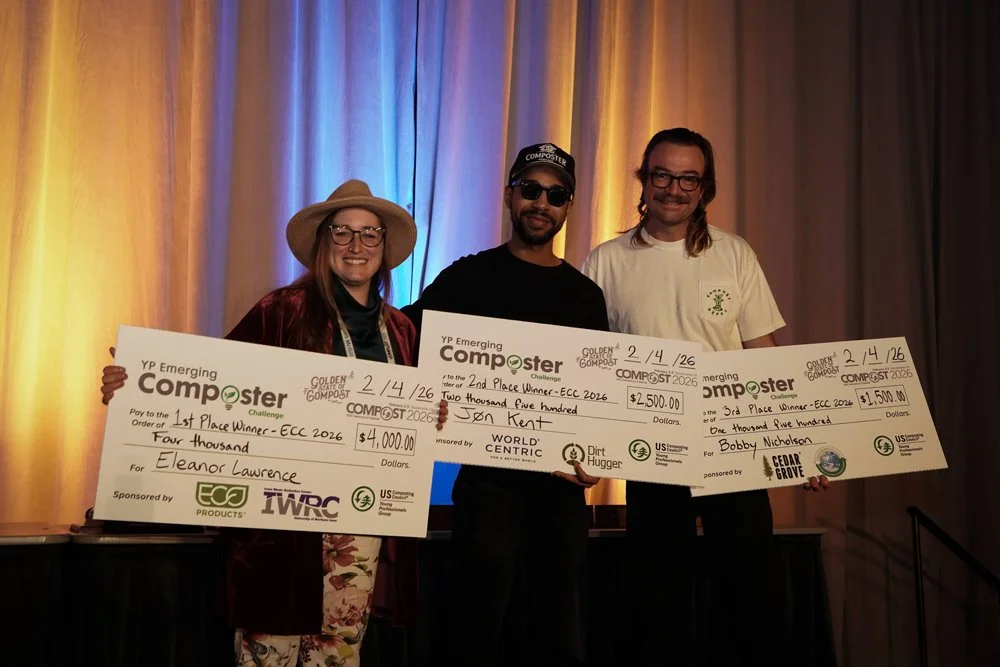
YP Emerging Composters Challenge
The Emerging Composter Challenge, supported by USCC members, is an exciting competition that celebrates the ideas of future compost industry leaders, providing startup funding to help top winners take their innovative and impactful solutions beyond the COMPOST Conference.
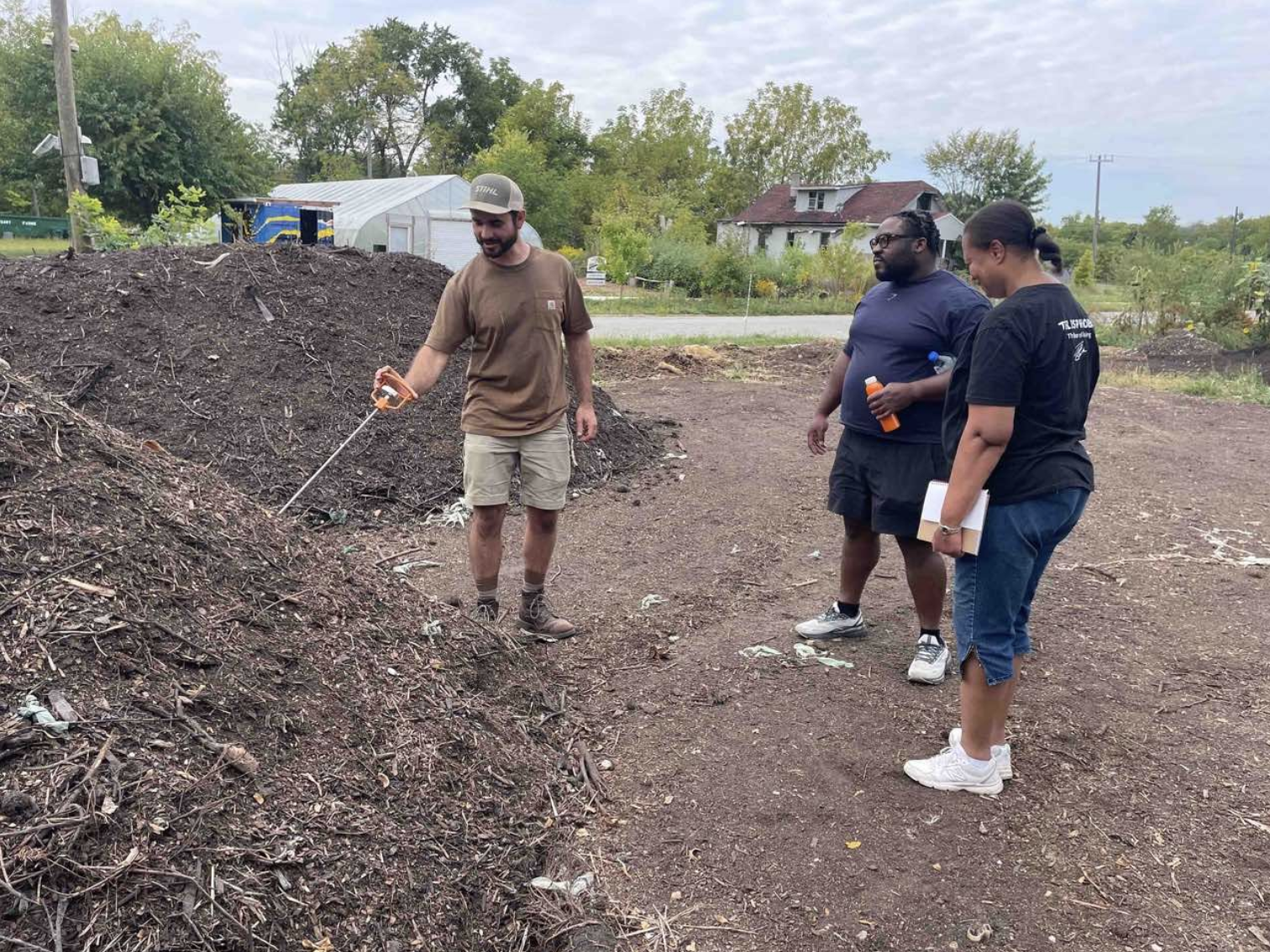
Composting project empowers Detroiters to reduce food waste, protect the environment
Food waste makes up one-quarter of landfill waste and contributes to more methane emissions than other landfill materials. The Detroit Community Composting Collective Project is out to curb food waste by training backyard composters.
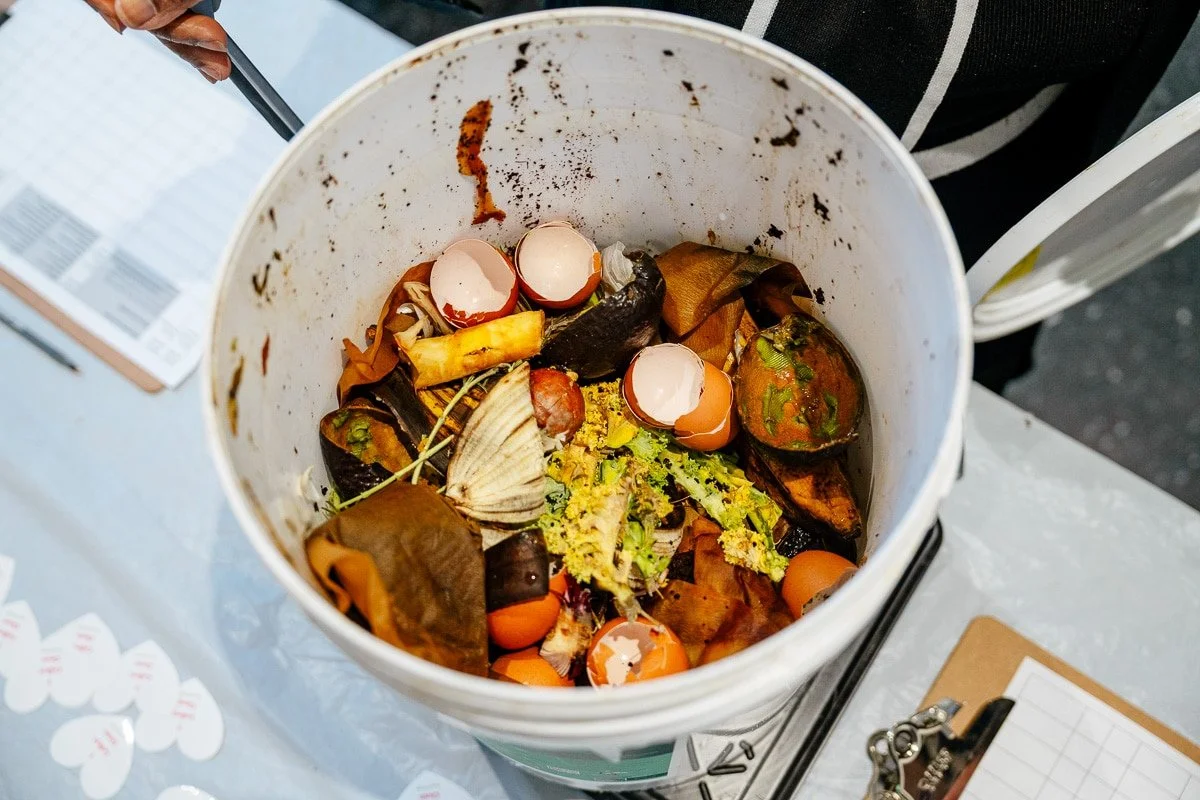
Reduce Food Waste in Detroit by Composting
More than 6000 pounds of food waste have been composted. Between the overwhelming response to the call for participants and the comments from participants and even passerby at the co-op, the project has demonstrated a distinct enthusiasm for composting among city residents.
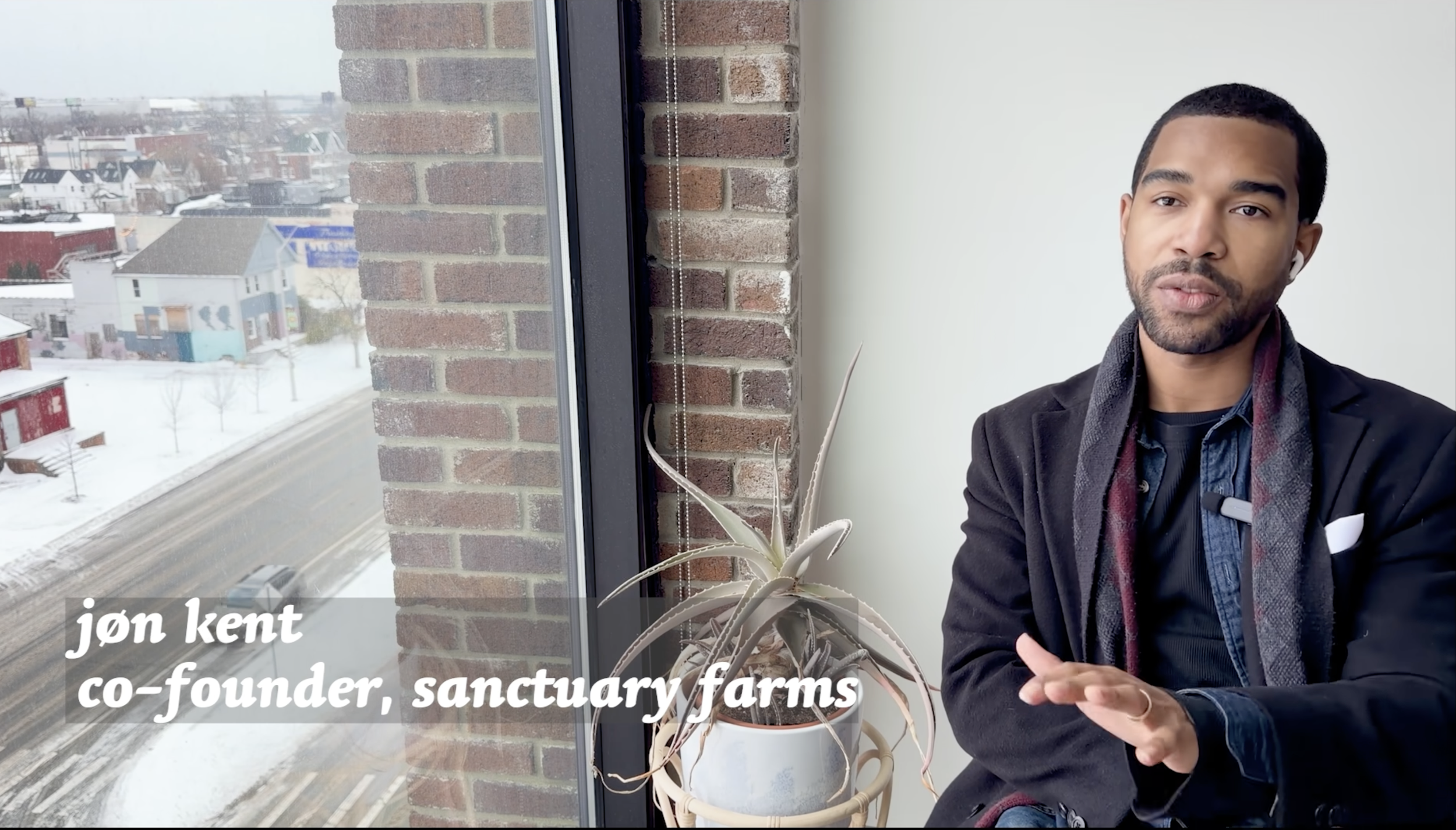
How an Urban Farm in Detroit Adapts Over the Winter | Michigan Environmental Council
On one of the coldest days of the winter, the Environmental Council sat down to talk with Jøn Kent, co-founder of Sanctuary Farms in Detroit, about how an urban farm makes it through the off-season. Winter is often when the real test hits for community-based agriculture. In this conversation, Jøn shares how Sanctuary Farms plans for colder months, adjusts operations, and stays responsive to the needs of the neighborhood it serves — even when growing conditions are tough.
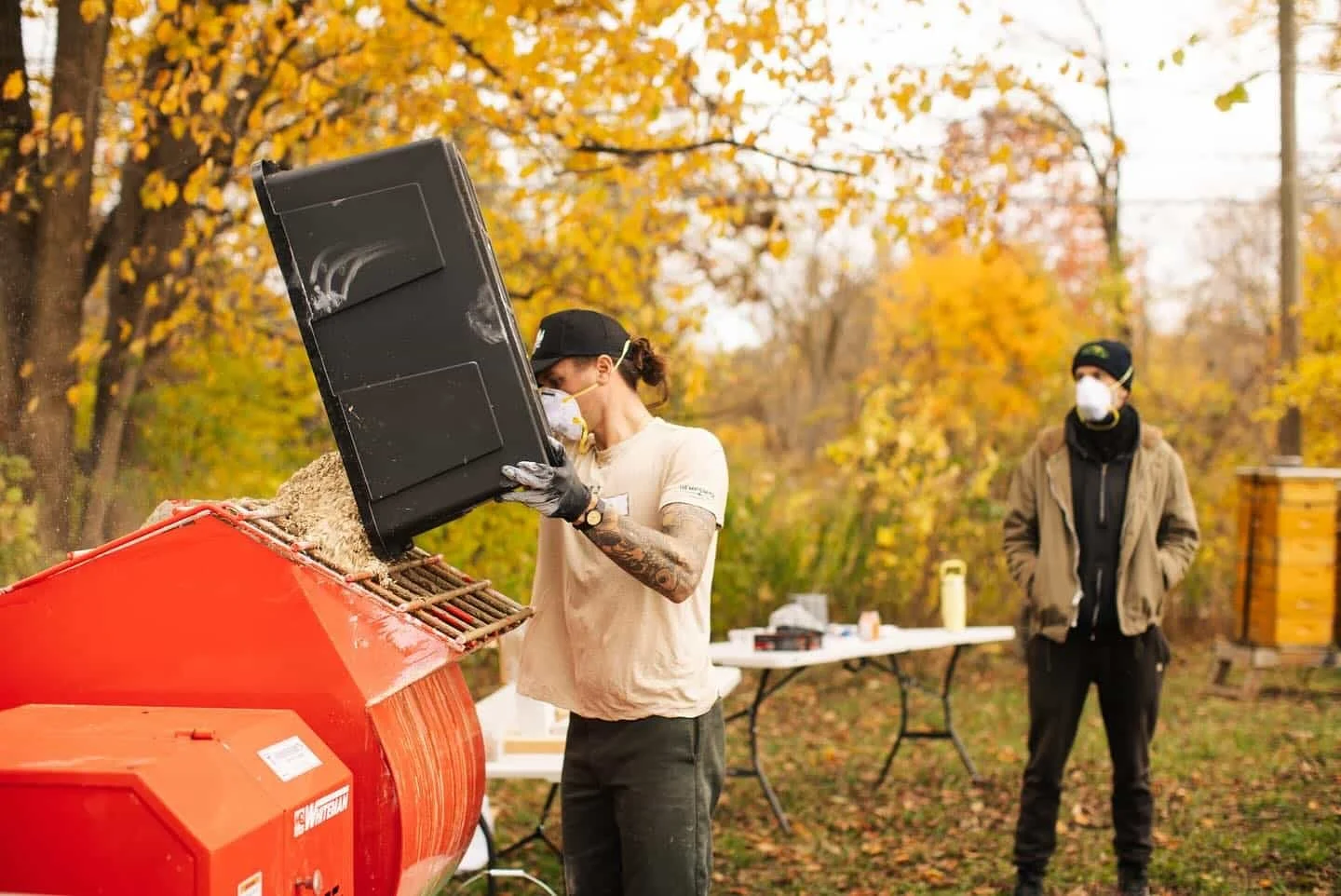
Hemp 4 Humanity builds foundation for sustainable homes using all-natural, energy-efficient material
Cody Ley, a past CEDAM real estate development boot camp participant, is passionate about creating affordable, sustainable housing using hempcrete — a resilient, energy-efficient material. Through his nonprofit, Hemp 4 Humanity, he hopes to empower and connect communities to promote a circular economy.
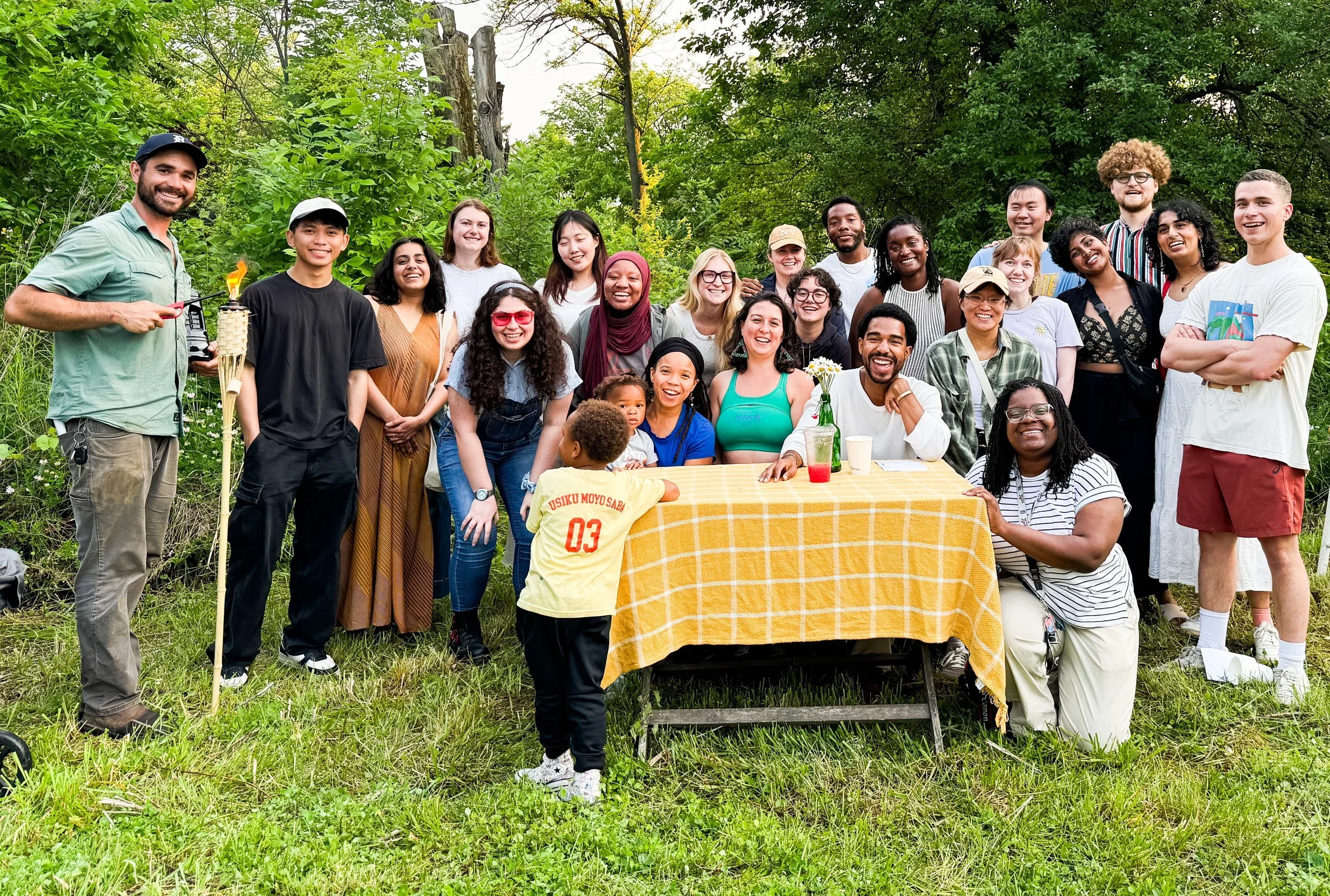
Partner Spotlight: Sanctuary FarmsDec 11
Check out this Q&A with Sanctuary Farms cofounder, jøn kent, and take a moment to learn more about the Detroit Community Composting Collective Project (DCCCP), a coalition of Detroit-based food, waste, and environmental justice organizations working to improve access to composting.
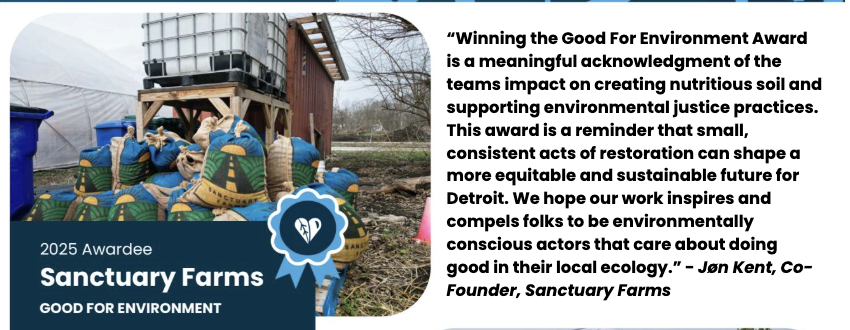
Michigan Chronicle Vol. 89 - No. 12
SF was chosen as the Good For Environment awardee because they have “excelled in developing a closed-loop composting system that transforms food and organic waste into nutrient-rich soil, reducing landfill use and carbon emissions.
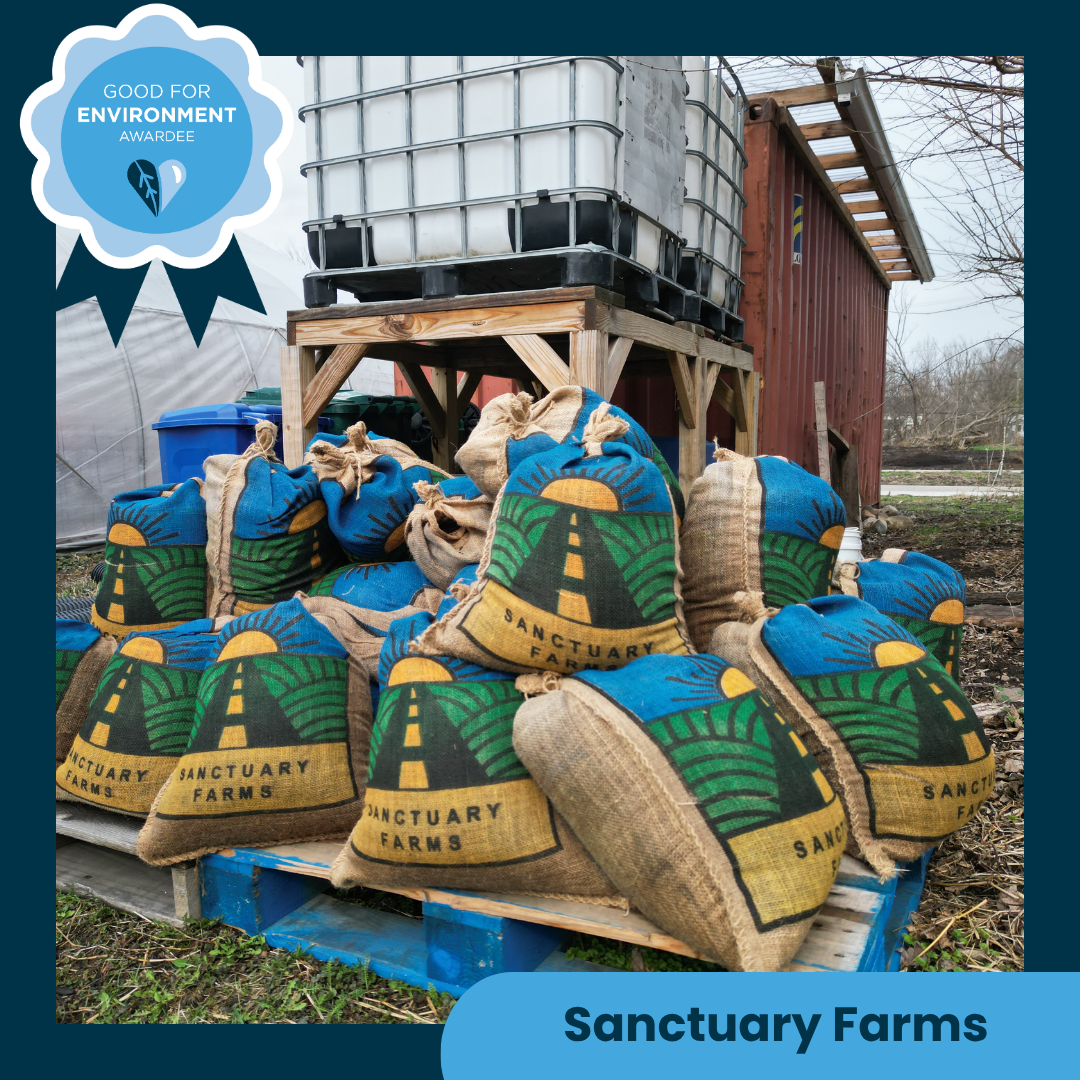
Good For Environment | Sanctuary Farms
SF was chosen as the Good For Environment awardee because they have “excelled in developing a closed-loop composting system that transforms food and organic waste into nutrient-rich soil, reducing landfill use and carbon emissions.

NextCycle Michigan City of Detroit | 2025 Fall Showcase
The Detroit Decentralized Composting Network, a partnership between the City of Detroit and Sanctuary Farms, aims to reduce food waste by creating a sustainable, decentralized composting system. The project will cut methane emissions, improve soil health, and provide economic opportunities, while expanding access to composting services and serving as a model for other cities in sustainable waste management.

New pollination management resource for urban growers in the Great Lakes region
A free pocket guide to help growers create and maintain native plant habitat to boost crop pollination by native bees is available through Michigan State University Extension.

Organic Transition Sessions at GLEXPO - MSU College of Agriculture and Natural Resources
Hear directly from farmers who have transitioned to organic, including growers who are new to organic certification and their mentors with years of experience as organic farmers. This track highlights the stories of each of their farms, as well as how mentorship through the Transition to Organic Partnership Program helped them to move toward their farm goals.

Local cattle company receives $100,000 in grant money
The Michigan Department of Agriculture and Rural Development (MDARD) announced on Thursday that they are awarding over $1.8 million to 26 Michigan producers, processors and community development organizations.
The money is to help support, retain, expand, and develop agricultural processing in Michigan.

Detroit Evening Report: Michigan jobless rate dips to 5.2%
Michigan’s monthly unemployment rate dropped slightly to 5.2 percent in August. A report from the Michigan Department of Technology says the unemployment percentage was affected by about 14,000 fewer people holding or seeking jobs. This is the fifth consecutive month that the state’s workforce has shrunk.
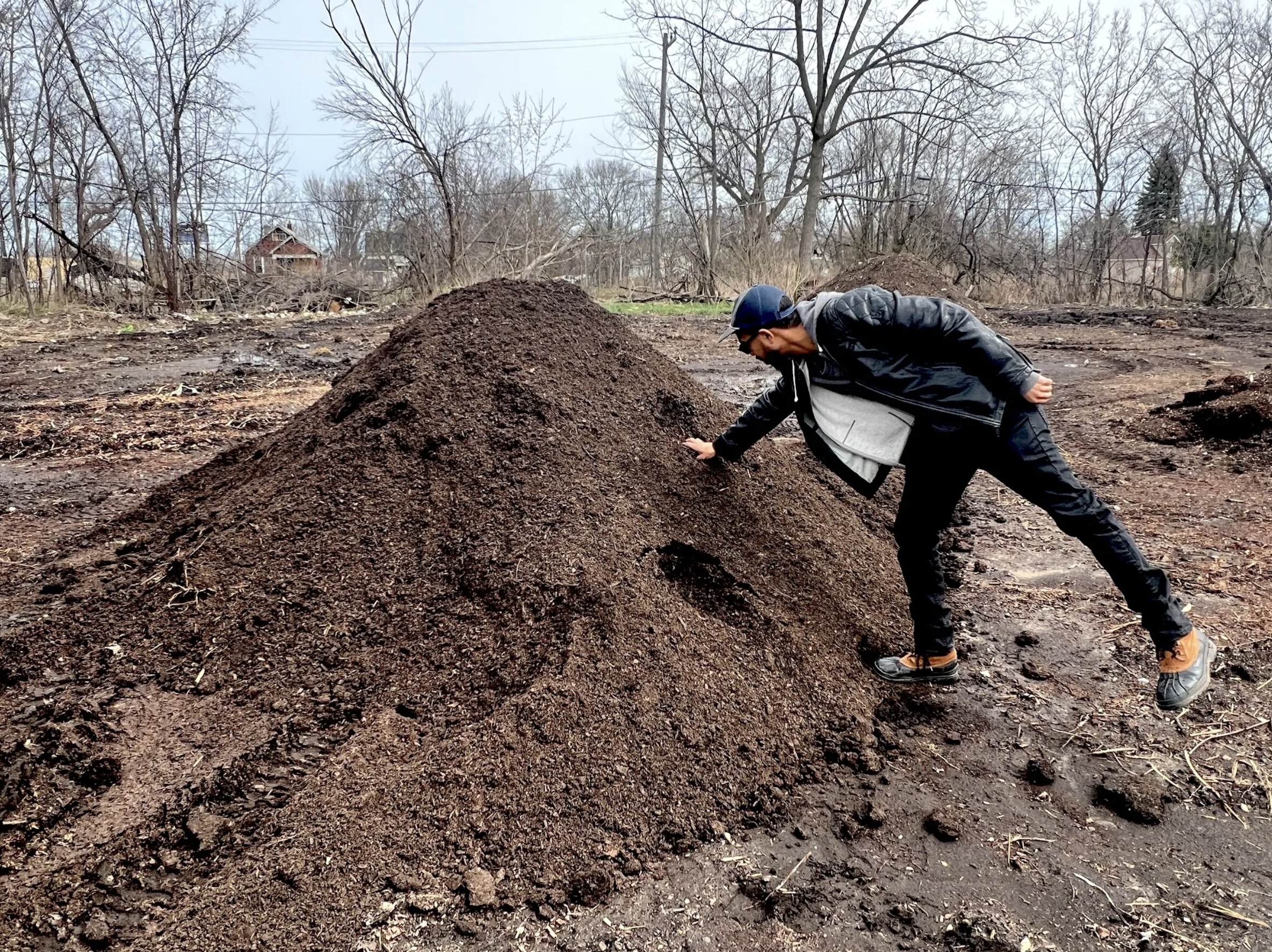
Detroit launches pilot composting program, ‘lays the foundation’ for citywide system
Detroit officials say the pilot program supports Michigan’s 2030 statewide goal of diverting 50% of food waste from landfills. They hope the pilot can divert as many as 220 pounds of food scraps daily, or over 80,000 pounds over the course of a year.
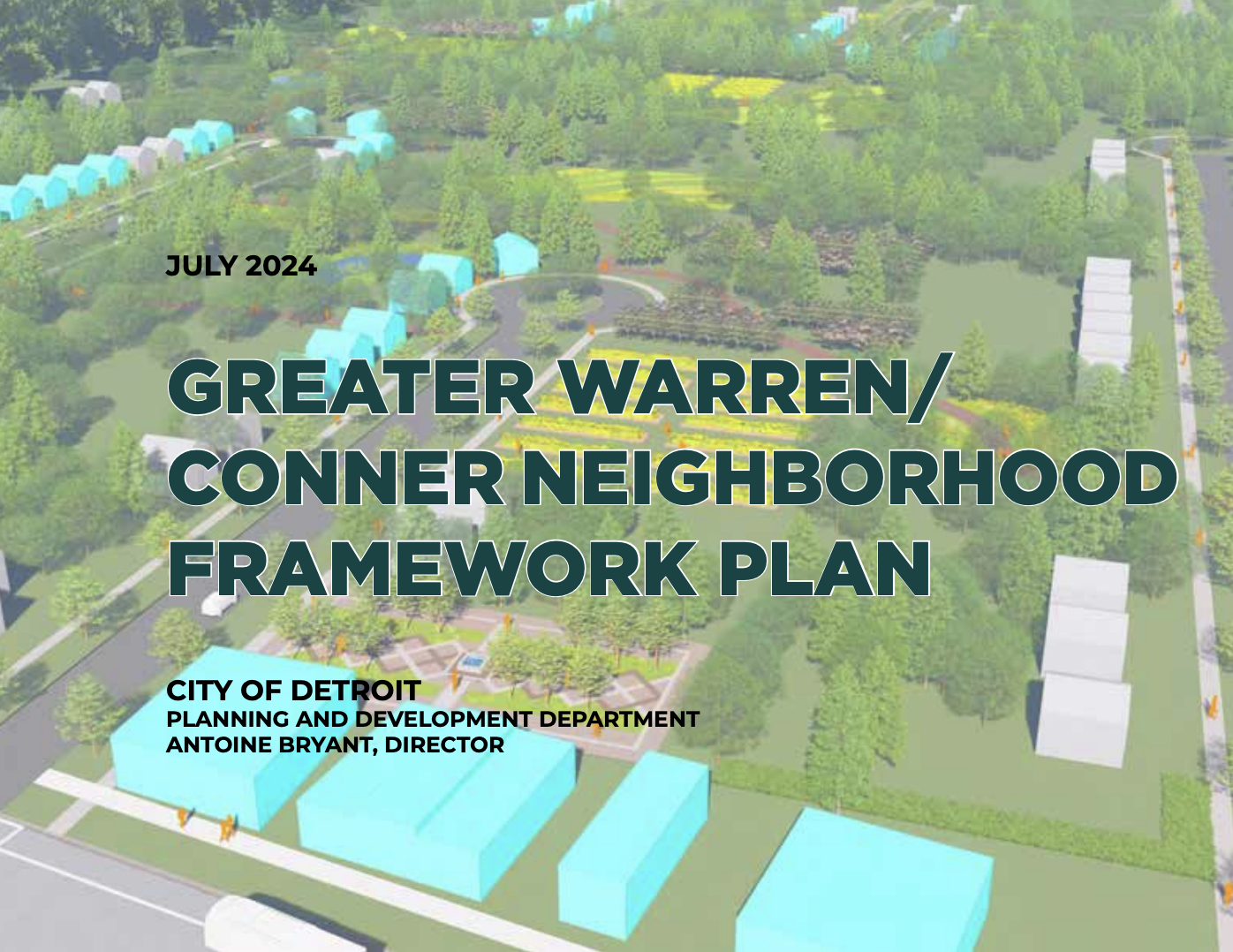
Greater Warren/Conner Neighborhood Framework Plan
Sanctuary Farms is honored to be recognized in the Greater Warren/Conner Neighborhood Framework Plan, a collaborative vision for resilient and thriving eastside neighborhoods. Our work transforming vacant lots into spaces for food production, composting, and community connection is featured as part of the City’s Resilience Zone strategies.

NextCycle Michigan Welcomes New Cohort Focused on Public Sector Programs and the Recycling Supply Chain
The NextCycle Michigan Accelerator program welcomed 16 new teams including the Detroit Decentralized Composting Network, a partnership between the City of Detroit and Sanctuary Farms.

Detroit Farms Celebrate the Summer Solstice
Sanctuary Farms hosted its first-ever Summer Solstice Block Party, centering Indigenous principles that honor the interconnectedness and equal value of all living things. The celebration was a joyful recognition of life’s blossoming and our shared place within the natural world.

Healing Land and Legacy Through Urban Agriculture
Sanctuary Farms was featured in a national spotlight on the power of urban agriculture to heal land, honor legacy, and drive environmental justice. As part of Detroit’s vibrant farming community, Sanctuary Farms advocates for regenerative practices like composting, agroforestry, and permaculture to reclaim contaminated land and build resilient food systems. The article highlights the urgent need for Congress to fully fund the Office of Urban Agriculture and Innovative Production, amplifying the voices of nearly 200 farmers and organizations calling for federal investment in sustainable, community-driven solutions.

Detroit Launching New Composting Programs this Summer to Reduce Food Waste
Sanctuary Farms is proud to help lead Detroit’s composting movement as part of the Detroit Community Compost Collection Project—a new pilot launching this summer to expand equitable access to composting. Alongside six local organizations, we’ll support 200 residents with materials, training, and stipends to turn food waste into “Black Gold.” At the same time, the City of Detroit is rolling out a complementary composting program with a free drop-off site and digester system. Together, these efforts aim to reduce landfill waste and move Detroit closer to Michigan’s goal of diverting 50% of food waste by 2030.

Green Queen on the Scene @ Circularity 25
At the 2025 Circularity Conference in Denver, Sanctuary Farms co-founder jøn kent was spotlighted in the panel "What Does It Really Mean to Be Regenerative?". In a powerful discussion on environmental justice and food systems, jøn named the structural barriers that have led to food apartheid in Detroit and shared how Sanctuary Farms uses a hyperlocal, community-rooted approach to advance regenerative agriculture. His remarks highlighted that true regeneration starts from the ground up—through soil restoration, food access, and building community power in historically excluded neighborhoods.